

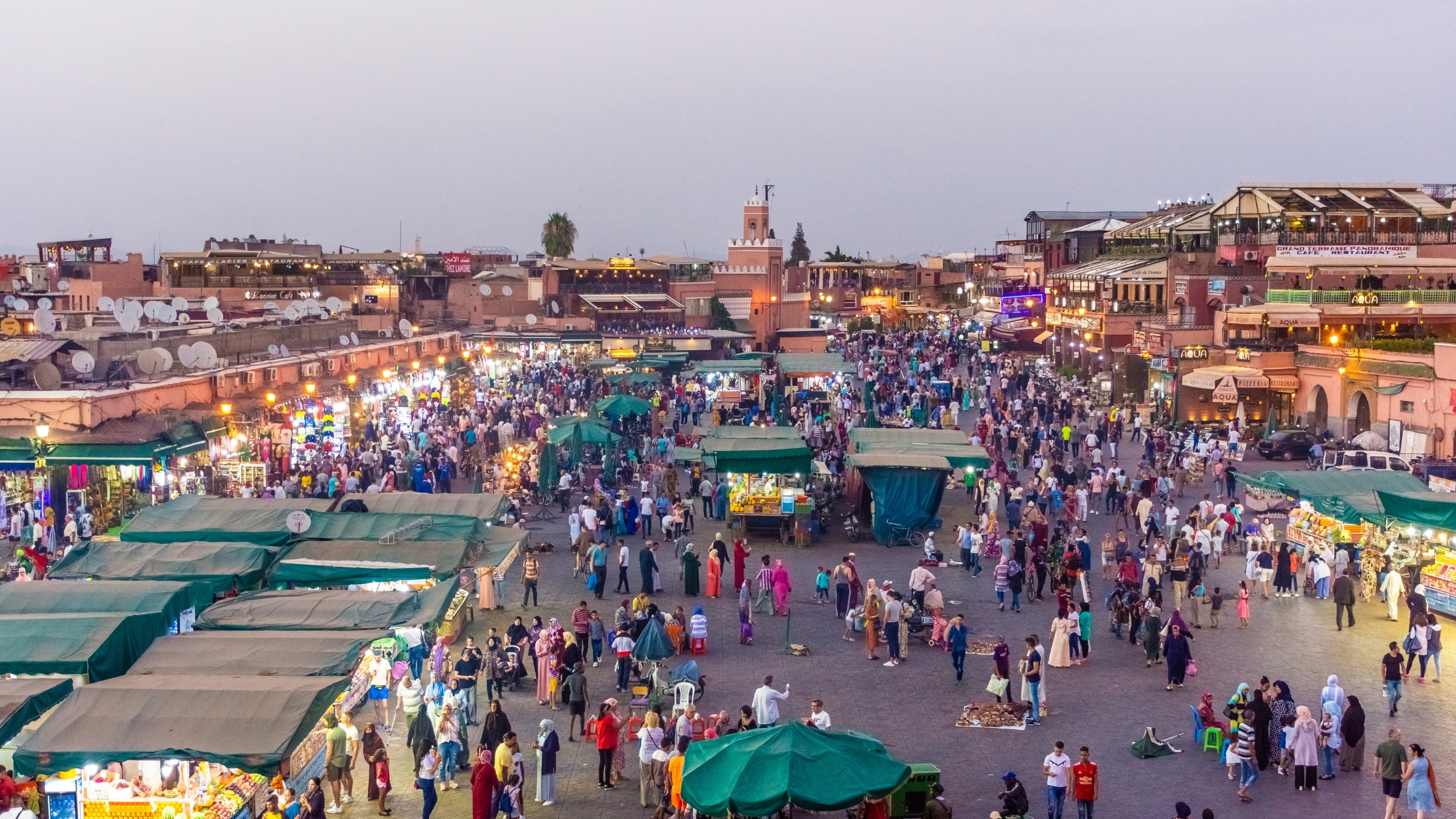
“Is Morocco safe?” is one of the questions we hear most often from travelers before they book. As a local team based in Marrakech, we will give you an honest answer: what the real risks are, what is just annoying, and how to enjoy Morocco with peace of mind.
The Short Answer
Yes, Morocco is a safe country for most travelers. It welcomes millions of visitors every year, it is politically stable, and violent crime against tourists is rare. The problems you are most likely to meet are small ones: pickpockets in crowded places, small scams and sellers who do not take “no” for an answer.
As for any trip abroad, check your government’s travel advice before you go and take out travel insurance.
Common Annoyances and How to Handle Them
- Pickpockets: keep your phone and wallet in a front pocket or a zipped bag in busy places like Jemaa el-Fna, the souks and markets.
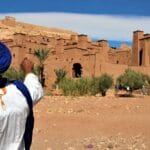
- Fake guides: in the medinas, people may offer to show you the way and then ask for money. Say “no, thank you” politely and keep walking. If you want a guide, book an official licensed guide through your riad or your tour company.
- “This street is closed”: a classic trick to lead you to a shop or to a “guide”. Trust your map, not the stranger.
- Prices in the souks: bargaining is normal. Decide how much you want to pay before you start, and do not feel obliged to buy.
- Taxis: in the cities, ask the driver to use the meter, or agree on the price before you get in.
- Photos with snake charmers, monkeys or henna artists: they will ask for money. Agree on the price first, or simply say no.
- Offers of drugs: just say no and walk on. Drugs are illegal in Morocco and the penalties are severe.
Is Morocco Safe for Women?
Many women travel in Morocco alone, with friends or with family and have a wonderful trip. The most common problem is unwanted attention: comments, catcalling or men trying to start a conversation, especially in busy medinas. It is annoying, but it is rarely dangerous.
- Dress modestly: clothes that cover shoulders and knees attract less attention and are respectful in villages and religious places.
- Walk with confidence, do not answer comments and do not feel you have to be polite to insistent strangers.
- In the evening, stay in busy, well-lit areas or take a taxi.
- A private tour with a driver and a local team makes everything easier, especially in the desert and the mountains.
Families, Solo Travelers and Seniors
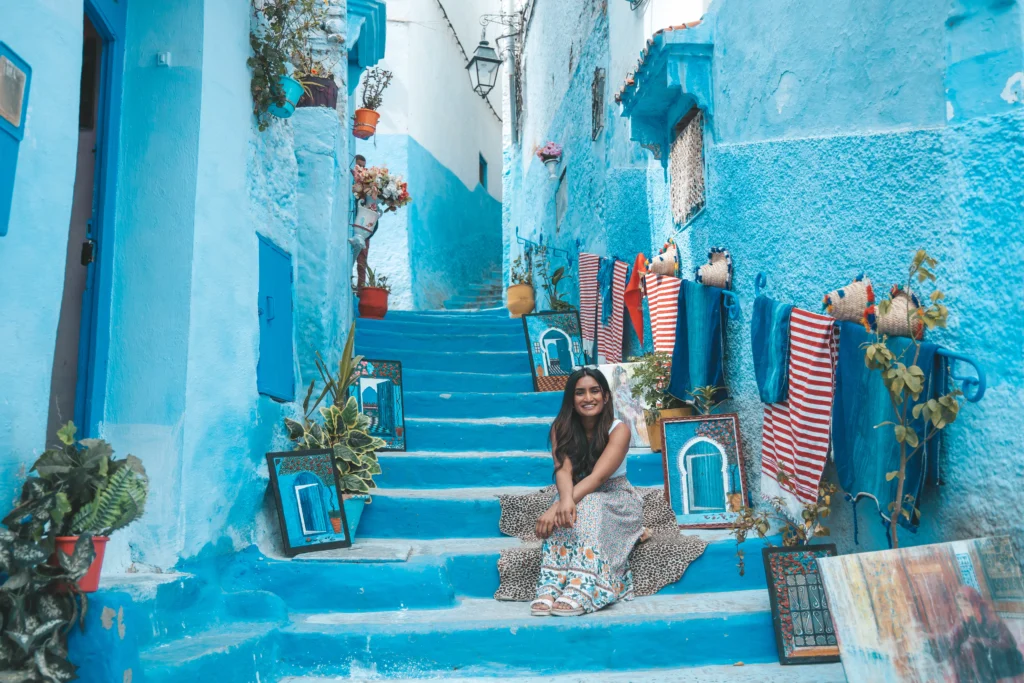
Morocco is very welcoming to families: Moroccans love children, and riads, desert camps and day trips are easy to enjoy at any age. Solo travelers and seniors also travel safely, especially with a private driver who takes care of the long distances and the logistics. Morocco also has a long friendship with the United States: it was one of the first countries to recognise the new nation, back in 1777.
LGBTQ+ Travelers
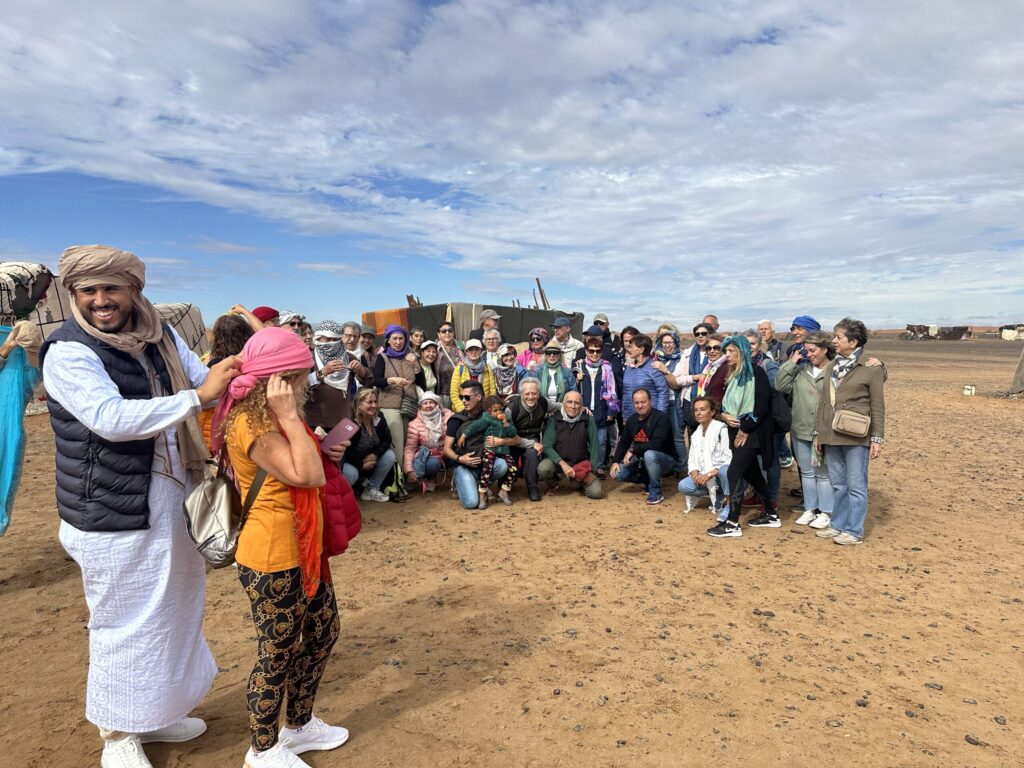
Same-sex relationships are illegal under Moroccan law, and public displays of affection are uncommon for everyone. In practice, LGBTQ+ travelers visit Morocco without problems by being discreet in public. Private tours and riads offer a comfortable, private way to travel.
Health and Food Safety
- Water: drink bottled water; it is cheap and sold everywhere.
- Food: food in busy restaurants, riads and desert camps is generally safe. If your stomach is sensitive, avoid raw salads and unpeeled fruit for the first days.
- Sun and heat: use sunscreen, a hat and sunglasses, and drink plenty of water, especially in the desert.
- Pharmacies and clinics: pharmacies are everywhere and the big cities have good private clinics.
- Insurance: travel insurance with medical cover is strongly recommended.
Roads and Desert Trips
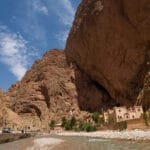
The roads over the Atlas Mountains have many curves and can be tiring to drive if you do not know them, and driving at night outside the cities is not recommended. That is why most travelers prefer to travel with an experienced local driver.
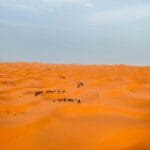
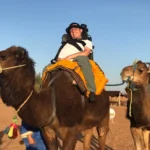
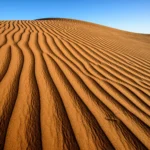
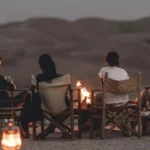
The Sahara itself is safe: desert tours follow well-known routes, the camps are run by local teams and you are never alone. The real things to plan for are the heat in summer and the cold nights in winter. Read our guide to the best time to visit Morocco to choose the right season.

Emergency Numbers in Morocco
| Service | Number |
|---|---|
| Police (in the cities) | 19 |
| Royal Gendarmerie (outside the cities) | 177 |
| Ambulance and fire service | 15 |
Save the contact details of your embassy too, and keep a copy of your passport on your phone.
10 Safety Tips for Your Trip
- Check your government’s travel advice before you go.
- Take out travel insurance with medical cover.
- Keep valuables out of sight in crowded places.
- Carry small change in dirhams for taxis, tips and small purchases.
- Download an offline map for the medinas.
- Book official guides through your riad or tour company.
- Agree on prices before any service.
- Dress modestly, especially in villages and religious places.
- Drink bottled water and protect yourself from the sun.
- Keep your riad’s and your tour company’s phone numbers on your phone.
How We Look After You
- Private tours: only you and your travel companions, with your own vehicle and driver.
- Local team: we are a Moroccan travel company based in Marrakech; our drivers know the roads, the villages and the safest routes.
- Pickup at your hotel or riad: no need to find your way to a meeting point.
- Always reachable: you have our WhatsApp number during the whole trip.
- Comfortable desert nights: on most of our desert tours you sleep in a private tent at Dihya Desert Luxury Camp.
Frequently Asked Questions
Is Morocco safe for tourists right now?
Is it safe to walk in the Marrakech medina at night?
Is Morocco safe for solo female travelers?
Can I drink the tap water in Morocco?
Is the Sahara desert safe?
What should I do if I have a problem?
Travel to Morocco With Peace of Mind
Tell us your dates and the places you want to see, and we will plan a private trip with a local driver, carefully chosen riads and help whenever you need it. Want to know the budget? Read how much a trip to Morocco costs.