

Top 10 Things to Do in Marrakech: The Ultimate Local’s Guide
Step into a world where ancient traditions dance with modern life, where the scent of spices mingles with the call to prayer, and where every corner reveals a new adventure. Marrakech, the Red City, isn’t just a destination it’s an experience that awakens all your senses and leaves an indelible mark on your soul.
Forget the tourist traps and cookie-cutter recommendations. As someone who has called Marrakech home for over a decade, I’m sharing the authentic heart of this imperial city. This isn’t just another Marrakech guide it’s your passport to experiencing the city like a true local, complete with insider secrets that most visitors never discover.
Your Quick Reference: Top 10 Things to Do in Marrakech
Here are the Top 10 Things to Do in Marrakech, according to a local expert:
- Experience the magic of Jemaa el-Fna at golden hour
- Navigate the labyrinthine Souks of the Medina
- Find tranquility in Majorelle Garden & YSL Museum
- Discover the architectural marvel of Bahia Palace
- Immerse yourself in history at Saadian Tombs
- Marvel at the towering Koutoubia Mosque
- Indulge in authentic cuisine at hidden local eateries
- Relax and rejuvenate with a traditional Hammam
- Explore the modern elegance of Gueliz district
- Experience Berber culture in the Atlas Mountains
1. Immerse Yourself in the Chaos & Charm of Jemaa el-Fna
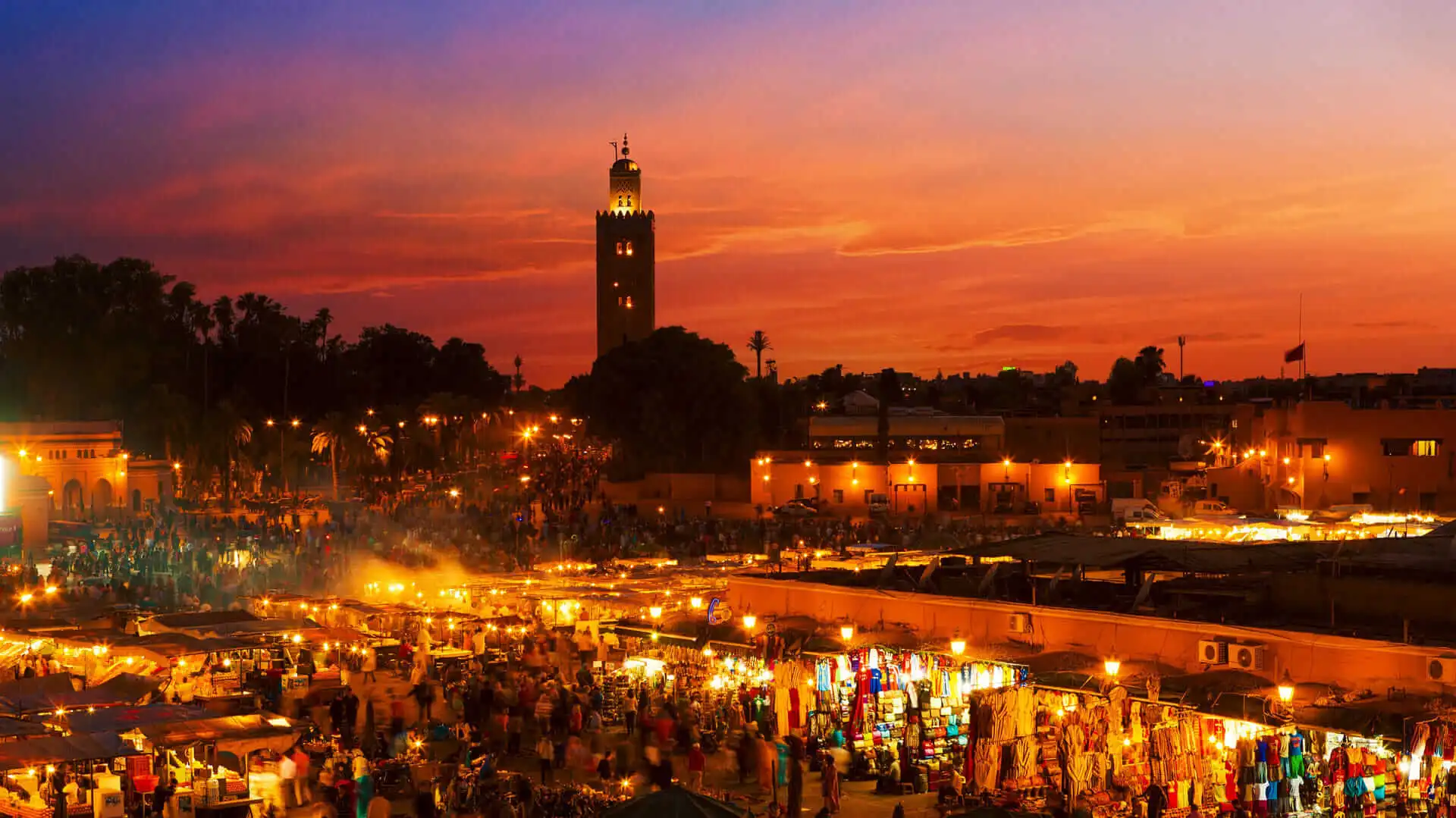
Why it’s essential: Jemaa el-Fna is the beating heart of Marrakech, a UNESCO World Heritage site that has captivated travelers for centuries. This isn’t just a square it’s a living theater where Moroccan culture unfolds in real-time.
Local’s Tip: Visit twice once during the day to appreciate the architecture and again at sunset around 6 PM. As darkness falls, the square transforms into a mesmerizing spectacle of storytellers, musicians, and food vendors. Position yourself on the terrace of Café de France for the perfect overhead view.
Best Time to Visit: Late afternoon through evening (4 PM – 10 PM)
Estimated Time: 2-3 hours for the full experience
Cost: Free to explore; budget 50-100 MAD for snacks and drinks
Authentic Experience Highlight: Don’t miss the Gnawa musicians near the northern edge their hypnotic rhythms and spiritual songs offer a glimpse into Morocco’s rich musical heritage. Try the fresh orange juice from vendor Hajj Mohammed (look for the cart with the blue umbrella) for the city’s best squeeze.
2. Navigate the Labyrinthine Souks of the Medina
Why it’s essential: The Marrakech souks represent one of Africa’s largest traditional markets, a maze of over 2,600 shops where centuries-old craftsmanship continues to thrive.
Local’s Tip: Enter through the main entrance near Jemaa el-Fna, but don’t be afraid to get lost it’s part of the adventure! Focus on specific areas: Souk Semmarine for textiles, Souk Haddadine for metalwork, and Souk Sebbaghine for leather goods. Always start your bargaining at 30% of the initial price.
Best Time to Visit: Morning (9 AM – 12 PM) when it’s cooler and less crowded
Estimated Time: Half-day to full day
Cost: Bargaining is essential; expect to pay 40-60% of the first quoted price
Authentic Experience Highlight: Visit Atelier Hicham in Souk des Teinturiers to watch traditional fabric dyeing techniques that haven’t changed in 600 years. The artisan, Mohammed, speaks excellent English and offers mini-workshops for curious visitors.
3. Find Tranquility in Majorelle Garden & YSL Museum
Why it’s essential: This 12-acre botanical garden, once owned by Yves Saint Laurent, offers a peaceful escape from Marrakech’s intensity while showcasing extraordinary plant diversity and the iconic Majorelle Blue architecture.
Local’s Tip: Book your tickets online in advance this attraction sells out quickly, especially during peak season. Visit early morning (8 AM) or late afternoon (4 PM) for the best light and smaller crowds. The museum houses Saint Laurent’s personal collection and offers fascinating insights into his love affair with Morocco.
Best Time to Visit: Early morning (8 AM – 10 AM) or late afternoon (4 PM – 6 PM)
Estimated Time: 2-3 hours including the museum
Cost: Garden: 70 MAD, Museum: 100 MAD (combo tickets available)
Authentic Experience Highlight: Don’t miss the memorial to Yves Saint Laurent—his ashes were scattered in the rose garden, making this a pilgrimage site for fashion lovers worldwide.
4. Discover the Architectural Marvel of Bahia Palace
Why it’s essential: Built in the late 19th century, Bahia Palace showcases the pinnacle of Moroccan architecture with its intricate mosaics, painted ceilings, and serene courtyards that took 14 years to complete.
Local’s Tip: Hire a local guide at the entrance for 100 MAD they’ll reveal hidden details and stories that you’d otherwise miss. The palace is particularly stunning during golden hour when sunlight filters through the ornate windows.
Best Time to Visit: Mid-morning (10 AM – 12 PM) or late afternoon (3 PM – 5 PM)
Estimated Time: 1.5-2 hours with a guide
Cost: 20 MAD entrance fee
Authentic Experience Highlight: The private apartments of the Grand Vizier’s favorite wife feature the most exquisite tilework in the palace look for the subtle differences in patterns that indicate the status of each wife.
5. Immerse Yourself in History at Saadian Tombs
Why it’s essential: Hidden for centuries and rediscovered in 1917, these 16th-century tombs house members of the Saadian dynasty in elaborately decorated mausoleums that showcase Morocco’s golden age.
Local’s Tip: Visit early morning to avoid crowds and capture the best photographs. The marble used in the main mausoleum was imported from Italy notice how it’s worn smooth by centuries of visitors’ touches.
Best Time to Visit: Early morning (9 AM – 11 AM)
Estimated Time: 45 minutes to 1 hour
Cost: 20 MAD entrance fee
Authentic Experience Highlight: The tomb of Ahmed al-Mansur features 12 marble columns supporting an intricate cedar wood dome it’s considered one of Morocco’s finest examples of Islamic architecture.
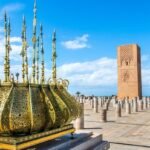
6. Marvel at the Towering Koutoubia Mosque
Why it’s essential: This 12th-century mosque’s 77-meter minaret serves as Marrakech’s landmark and represents the pinnacle of Almohad architecture. Its influence can be seen in Spain’s Giralda and Hassan Tower in Rabat.
Local’s Tip: While non-Muslims cannot enter the mosque, the surrounding gardens offer excellent views and photo opportunities. The evening call to prayer at sunset creates an unforgettable moment—respectfully pause and listen.
Best Time to Visit: Sunset for the golden light on the minaret
Estimated Time: 30-45 minutes in the gardens
Cost: Free
Authentic Experience Highlight: The minaret’s proportions follow the mathematical ratio of 1:5, and legend says the three golden spheres atop were made from the jewelry of the wife of Almohad caliph Yacoub el-Mansour.
7. Indulge in Authentic Cuisine at Hidden Local Eateries
Why it’s essential: Marrakech’s food scene extends far beyond tourist restaurants, offering incredible flavors that reflect centuries of culinary evolution influenced by Arab, Berber, and French traditions.
Local’s Tip: For the most authentic experience, eat where locals eat. Try Chez Lamine Hadj Mustapha (hidden in the souks) for the city’s best tajine, and visit the food stalls behind Jemaa el-Fna after 7 PM for incredible grilled meats and traditional sweets.
Best Time to Visit: Lunch (12 PM – 3 PM) and dinner (7 PM – 10 PM)
Estimated Time: 1-2 hours per meal
Cost: Street food: 20-50 MAD, Local restaurants: 80-150 MAD
Authentic Experience Highlight: Try the traditional tangia at Restaurant Dar Essalam—this slow-cooked meat dish is prepared in clay pots sealed with wax and cooked in the ashes of community bathhouse furnaces.
8. Relax and Rejuvenate with a Traditional Hammam
Why it’s essential: The hammam is integral to Moroccan culture, offering both physical cleansing and spiritual renewal in a ritual that’s remained unchanged for centuries.
Local’s Tip: For an authentic experience, visit Hammam Ziani (locals’ favorite) rather than hotel spas. Bring flip-flops and expect to be scrubbed vigorously it’s part of the authentic experience! The entire process takes about 90 minutes.
Best Time to Visit: Afternoons (separate hours for men and women)
Estimated Time: 1.5-2 hours for the full experience
Cost: Public hammam: 30-50 MAD, Upscale spa: 300-800 MAD
Authentic Experience Highlight: The traditional black soap (savon noir) is made from olive oil and will leave your skin incredibly soft you can purchase some to take home from most hammams.
9. Explore the Modern Elegance of Gueliz District
Why it’s essential: Gueliz represents modern Marrakech, featuring French colonial architecture, contemporary art galleries, trendy cafés, and high-end shopping that provides a fascinating contrast to the medina.
Local’s Tip: Start at Avenue Mohammed V and explore the side streets. Visit Matisse Art Gallery for contemporary Moroccan art, then enjoy lunch at Café 16 (popular with locals). The district comes alive in the evening with its restaurant and nightlife scene.
Best Time to Visit: Late afternoon and evening (4 PM – 10 PM)
Estimated Time: Half-day
Cost: Window shopping is free; budget 200-500 MAD for dining
Authentic Experience Highlight: The weekly Saturday market at Place du 16 Novembre features local produce and gives you a glimpse into everyday Marrakchi life away from the tourist areas. Top 10 Things to Do in Marrakech.
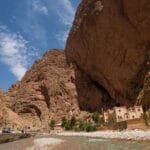
10. Experience Berber Culture in the Atlas Mountains
Why it’s essential: The High Atlas Mountains, visible from Marrakech on clear days, offer authentic Berber cultural experiences and stunning landscapes just 90 minutes from the city.
Local’s Tip: Book a day trip to Imlil village with reputable local operators like Sahara Discovery, who specialize in authentic mountain experiences. Their knowledgeable guides ensure you’ll share traditional mint tea with Berber families and gain insights into mountain life that’s remained largely unchanged for centuries. Top 10 Things to Do in Marrakech
Best Time to Visit: Year-round, but spring and fall offer the best weather
Estimated Time: Full day (8 hours including transport)
Cost: 400-600 MAD per person for group tours
Authentic Experience Highlight: Share a meal with a Berber family in their traditional stone house the hospitality is legendary, and you’ll gain insights into mountain life that most tourists never experience.
Planning Your Marrakech Adventure: Beyond the List
The Culture Seeker’s 3-Day Itinerary
Day 1: Focus on the medina: Jemaa el-Fna, souks, and Bahia Palace
Day 2: Historical sites: Saadian Tombs, Koutoubia Mosque, and traditional hammam
Day 3: Modern Marrakech: Majorelle Garden, Gueliz district, and rooftop dining
Foodie’s Delight: A Gastronomic Journey
Start with street food tours in Jemaa el-Fna, progress to cooking classes in traditional riads, and conclude with fine dining experiences that blend Moroccan and international cuisines.
Relaxation & Retreat: Marrakech’s Serene Side
Combine spa treatments, peaceful gardens, and quiet corners of the medina for a restorative experience that balances adventure with tranquility.
Essential Day Trips from Marrakech
- Ourika Valley: Waterfalls and Berber villages (1.5 hours)
- Essaouira: Atlantic coast charm (3 hours)
- Ait Benhaddou: UNESCO World Heritage kasbah (4 hours)
- Sahara Desert: Multi-day adventures to Merzouga dunes
For seamless day trip experiences, consider booking with established operators like Sahara Discovery, who offer everything from single-day Atlas Mountain excursions to multi-day Sahara desert adventures, ensuring authentic cultural encounters and hassle-free logistics.
Insider Tips for Your Marrakech Trip: Navigate Like a Local
Getting Around
| Transport Method | Best For | Cost Range | Local Tip |
|---|---|---|---|
| Walking | Medina exploration | Free | Wear comfortable shoes |
| Petit Taxi | Short distances | 10-50 MAD | Insist on the meter |
| Horse-drawn carriage | Scenic rides | 100-200 MAD | Agree on price beforehand |
| Ride-sharing | Modern districts | App-based pricing | Careem is most popular |
Bargaining Etiquette
“Bargaining isn’t just about getting a good price it’s a social interaction that locals expect and enjoy. Start at 30% of the quoted price, be respectful, and don’t be afraid to walk away if the price doesn’t meet your expectations.”
Key Phrases:
- “Shhal had?” (How much is this?)
- “Ghali bzaaf” (Too expensive)
- “Shukran” (Thank you)
Local Cuisine & Food Safety
Must-try dishes:
- Tagine (slow-cooked stew)
- Couscous (traditionally served Fridays)
- Pastilla (sweet and savory pastry)
- Mint tea (Morocco’s national drink)
Food safety tips: Stick to busy stalls with high turnover, avoid tap water, and choose thoroughly cooked foods.
Safety & Common Scams
- False guides: Official guides wear badges; politely decline unofficial offers
- Fake emergencies: Ignore staged distractions in crowded areas
- Overcharging: Always confirm prices before services
- Friendship scams: Be wary of overly friendly strangers offering “special deals”
Cultural Sensitivity
Dress code: Modest clothing recommended, especially for religious sites
Photography: Always ask permission before photographing people
Religious customs: Respect prayer times and avoid eating in public during Ramadan
Money & Tipping Guidelines
Currency: Moroccan Dirham (MAD) Tipping standards:
- Restaurants: 10-15% if service charge not included
- Taxis: Round up to nearest 5 MAD
- Guides: 50-100 MAD per day
- Hammam attendants: 20-30 MAD
Where to Stay: Finding Your Perfect Base
Marrakech offers accommodation styles to suit every preference and budget:
Medina Riads: Authentic traditional houses with interior courtyards, perfect for cultural immersion but can be noisy and harder to find.
Gueliz Hotels: Modern amenities and easy access to contemporary attractions, ideal for first-time visitors seeking comfort and convenience.
Hivernage District: Luxury resorts and international hotel chains, best for those prioritizing amenities and familiar standards.
For detailed recommendations and insider tips on the best riads and hotels in each area, check out our comprehensive accommodation guide.
Ready to Discover Marrakech’s Magic?
Marrakech isn’t just a destination it’s a journey that challenges your senses, expands your worldview, and creates memories that last a lifetime. From the ancient traditions preserved in the medina’s narrow alleys to the modern sophistication of Gueliz’s boulevards, this imperial city offers experiences that cater to every type of traveler.
Remember, the best way to experience Marrakech is with an open mind and adventurous spirit. Embrace the chaos, savor the unexpected moments, and allow yourself to be swept away by the magic that has enchanted visitors for over a thousand years.
Ready to plan your trip? Pin this guide, share your questions in the comments below, and don’t forget to tell us about your own Marrakech discoveries when you return!
Frequently Asked Questions
What is the best time of year to visit Marrakech? October to April offers the most comfortable temperatures, with spring (March-May) and fall (September-November) being ideal for sightseeing.
Is Marrakech safe for tourists? Yes, Marrakech is generally safe for tourists. Exercise normal travel precautions, stay aware of your surroundings, and avoid isolated areas at night.
How many days do you need in Marrakech? 3-4 days allows you to see the main attractions, while 5-7 days enables deeper exploration including day trips to the Atlas Mountains or coast.
Can you drink alcohol in Marrakech? Alcohol is available in hotels, licensed restaurants, and some bars, though it’s not sold everywhere due to Islamic customs.
What should I wear in Marrakech? Dress modestly, especially when visiting religious sites. Light, breathable fabrics work best in the climate, with layers for cooler evenings.
How do you get around Marrakech? Walking is best in the medina, while taxis and ride-sharing apps work well for longer distances. Horse-drawn carriages offer a scenic option for tourists.