

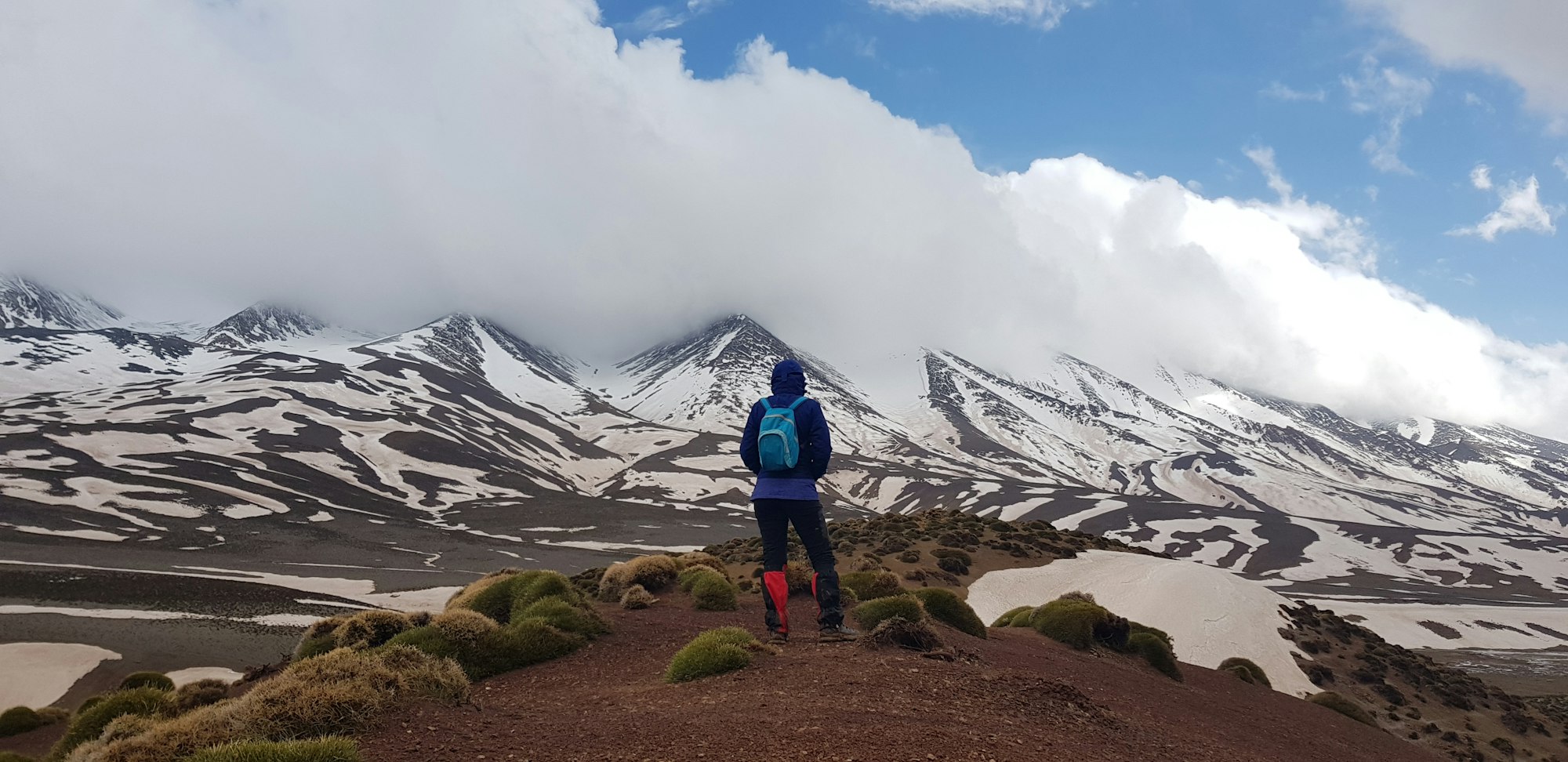
Packing for Morocco is easy once you know three things: the country is more conservative than most of Europe, the temperature changes a lot between day and night, and you will probably visit very different places, from the medinas to the Sahara and the Atlas Mountains. Our local team has put together this practical packing list, so you bring what you need and nothing more.
The Quick Answer
- Light layers you can add or remove: days can be hot and nights cold, especially in the desert and the mountains.
- Modest clothes that cover shoulders and knees, for cities, villages and religious sites.
- A warm jacket or fleece for desert nights, even in spring and autumn.
- Comfortable walking shoes for the medinas, plus hiking shoes if you go trekking.
- Sun protection: sunglasses, sunscreen, a hat and a light scarf.
- A plug adapter for type C/E sockets (220 V, the same as most of Europe) and some cash in dirhams.
What to Wear in Morocco
Morocco is a Muslim country, and in cities, villages and the countryside people dress modestly. Nobody expects visitors to dress like locals, but respectful clothes make your trip easier and more pleasant.
- Women: loose trousers, long skirts or dresses, and tops that cover the shoulders. A light scarf is very useful: for the sun, for the sand in the desert, or to cover your shoulders when needed. You do not need to cover your hair.
- Men: long trousers or shorts to the knee, and T-shirts. Avoid very short shorts and sleeveless tops in the medinas and villages.
- Beaches, pools and desert camps: the dress code is more relaxed. Swimwear is fine at the beach and the pool, but cover up when you walk into town.
- Mosques: most mosques are closed to non-Muslims. The big exception is the Hassan II Mosque in Casablanca, which you can visit on a guided tour with shoulders and knees covered.
Packing for Each Season
| Season | Weather | What to bring |
|---|---|---|
| Spring (March–May) | Warm days, cool nights | T-shirts, light long sleeves, a fleece or light jacket, a warm layer for the desert |
| Summer (June–August) | Very hot inland and in the desert | Light, loose cotton or linen clothes, a hat, a scarf, sunscreen, a light layer for the mountains |
| Autumn (September–November) | Warm days, cooler nights | Layers, a fleece, and a warm jacket from November |
| Winter (December–February) | Sunny days, cold nights, snow in the High Atlas | A warm jacket, a sweater, a hat and gloves for the desert and the mountains |
See the weather month by month in our guide to the best time to visit Morocco.
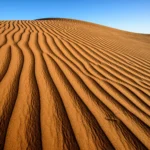
What to Pack for the Desert
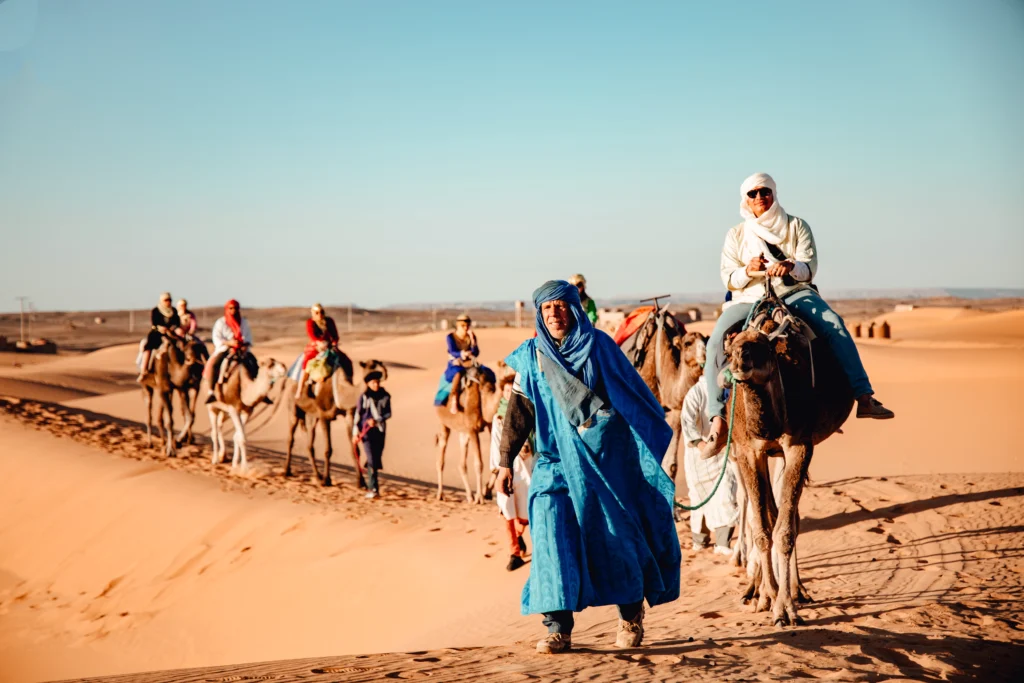
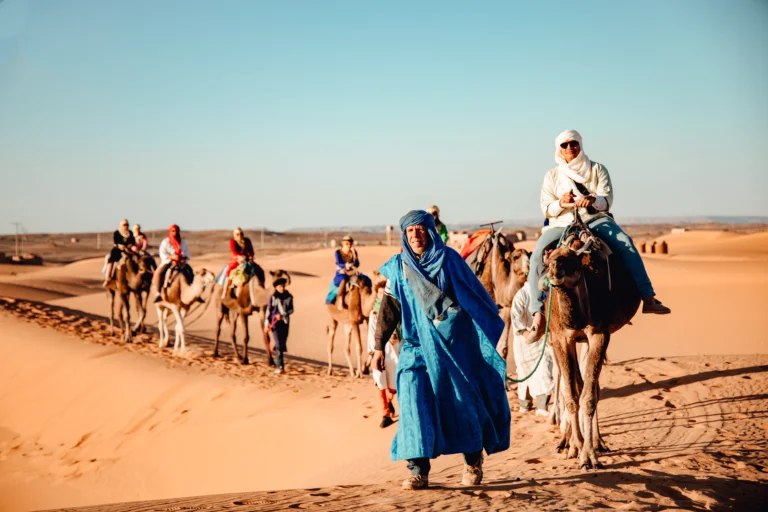
- Warm clothes for the night: the desert gets cold after sunset, close to freezing in winter. Bring a fleece or a warm jacket, even if the day is hot.
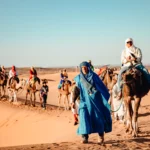
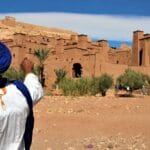
- A scarf or a chèche (the desert turban) to protect your face from the sun and the sand. You can also buy one in Morocco.
- Sunglasses, sunscreen and lip balm.
- A small bag for the night: on our tours, your big luggage stays in the vehicle and you take only a small bag to the camp.
- A head torch or your phone light for the camp at night.
- Comfortable shoes or sandals: many people walk barefoot on the dunes, but the sand can be very hot in summer.
Not sure which desert to choose? Read Merzouga or Zagora? and see all our Sahara desert tours.
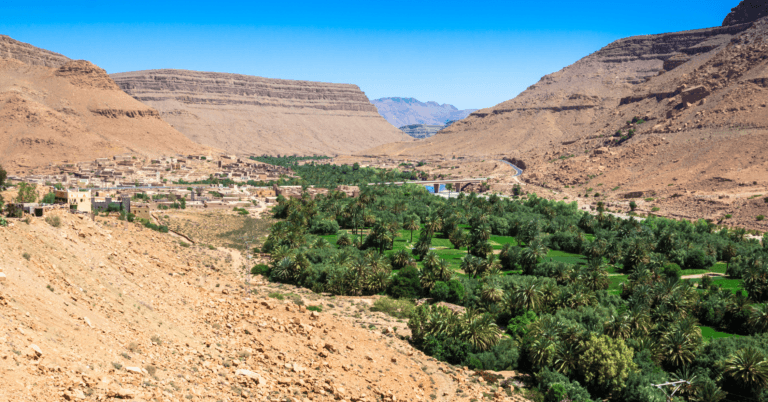
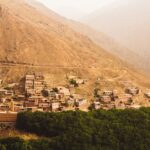
What to Pack for the Atlas Mountains
- Hiking boots or good walking shoes with a strong grip.
- Layers: a T-shirt, a fleece and a waterproof jacket. It is always cooler in the mountains than in Marrakech.
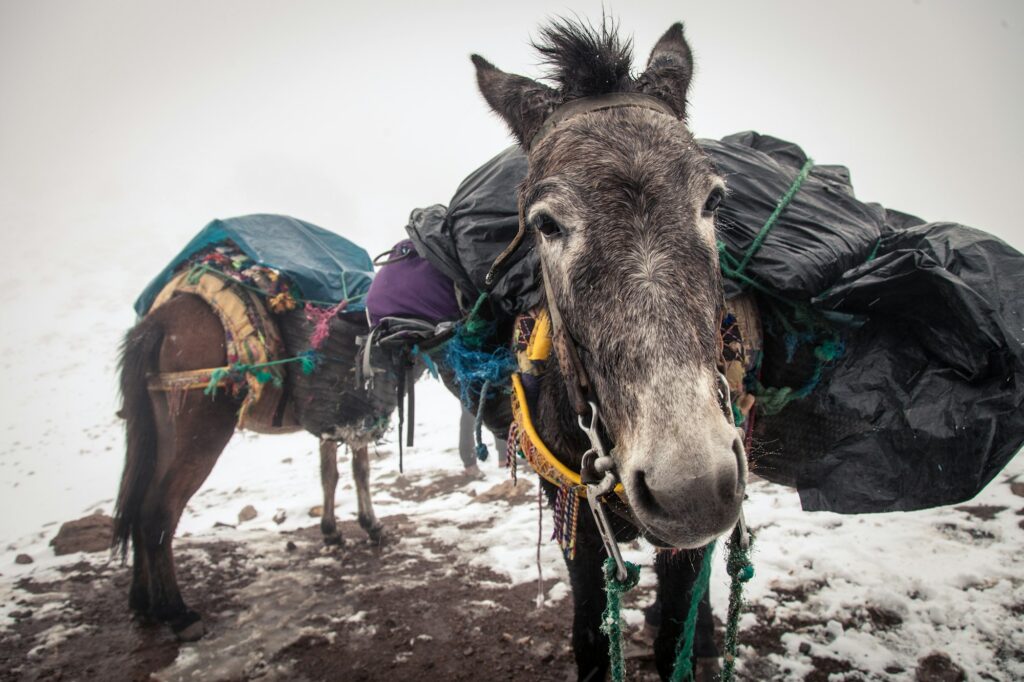
- A small backpack with water, snacks and sun protection. On our treks, a mule carries the rest.
- For Toubkal in winter: warm gloves, a hat, and crampons and an ice axe (ask us about them).
See our Imlil day hike, the 2-day Toubkal trek and the 3-day Atlas trek.
Documents, Money and Electronics
- Passport valid for your whole stay. Citizens of the EU, the UK, the USA, Canada and many other countries do not need a visa for stays of up to 90 days, but check the rules for your nationality before you travel.
- Travel insurance that covers health, and trekking if you go to the mountains.
- Money: the Moroccan dirham (MAD) is a closed currency, so you usually change money or use an ATM once you arrive. Cards are accepted in many hotels and bigger shops, but you need cash for the souks, small restaurants and tips.
- Plug adapter: sockets are type C and E, 220 V, like most of Europe.
- A power bank for long days on the road and the night in the desert.
Read how much cash to plan for in our guides to the cost of a trip to Morocco and tipping in Morocco.
Health and Small Useful Things
- Your usual medicines, and something for an upset stomach.
- Motion sickness tablets if you get carsick: mountain roads have many curves.
- Hand sanitiser and tissues: small cafés do not always have soap or paper.
- A reusable water bottle; drink bottled or filtered water.
What Not to Bring
- A drone: drones are not allowed in Morocco without a special permit and can be confiscated at the airport.
- Too much luggage: on a road trip, one suitcase and a small day bag are enough.
- Expensive jewellery you do not need.
Your Morocco Packing Checklist
- Passport, travel insurance and copies of your documents
- Cash in dirhams and a bank card
- Plug adapter (type C/E) and power bank
- Light layers, long trousers or skirts, tops that cover the shoulders
- A fleece or warm jacket
- A light scarf
- Comfortable walking shoes (and hiking boots for trekking)
- Sunglasses, sunscreen, a hat and lip balm
- A small bag for the night in the desert
- A head torch
- Medicines, hand sanitiser and tissues
- A reusable water bottle
Frequently Asked Questions
Do women need to cover their hair in Morocco?
Can I wear shorts in Morocco?
What shoes should I bring?
How cold is the desert at night?
Do I need a plug adapter in Morocco?
Can I bring a drone to Morocco?
Have a question about your trip? Tell us your dates and your plans, and our local team will help you.
Get a free quote See all Morocco tours Ask us on WhatsApp
Private tours across Morocco
Your own driver, flexible plans and a 25% deposit to book. Tell us your dates and we reply on WhatsApp.