

Morocco has more than twelve centuries of history written in stone: Roman cities, imperial capitals, Islamic universities, royal palaces and earthen kasbahs on the old caravan routes. In this guide our local team presents the 15 historical monuments in Morocco you should not miss, city by city, with practical tips and the private tours that visit them.
Morocco’s UNESCO World Heritage Sites
Morocco has nine cultural sites on the UNESCO World Heritage List:
- Medina of Fez (1981)
- Medina of Marrakech (1985)
- Ksar of Ait Ben Haddou (1987)
- Historic City of Meknes (1996)
- Archaeological Site of Volubilis (1997)
- Medina of Tetouan (1997)
- Medina of Essaouira (2001)
- Portuguese City of Mazagan, in El Jadida (2004)
- Rabat, Modern Capital and Historic City (2012)
Casablanca
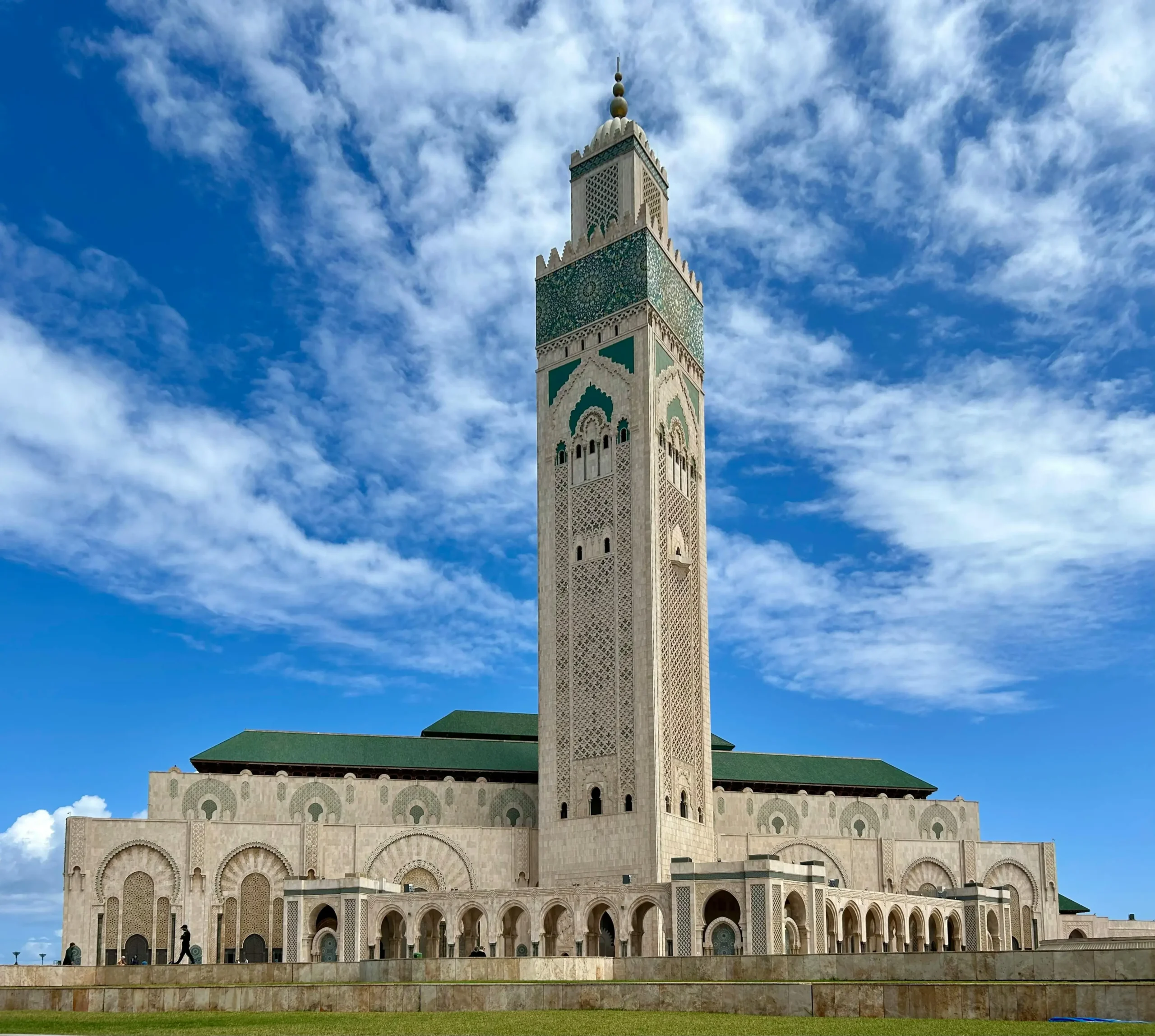
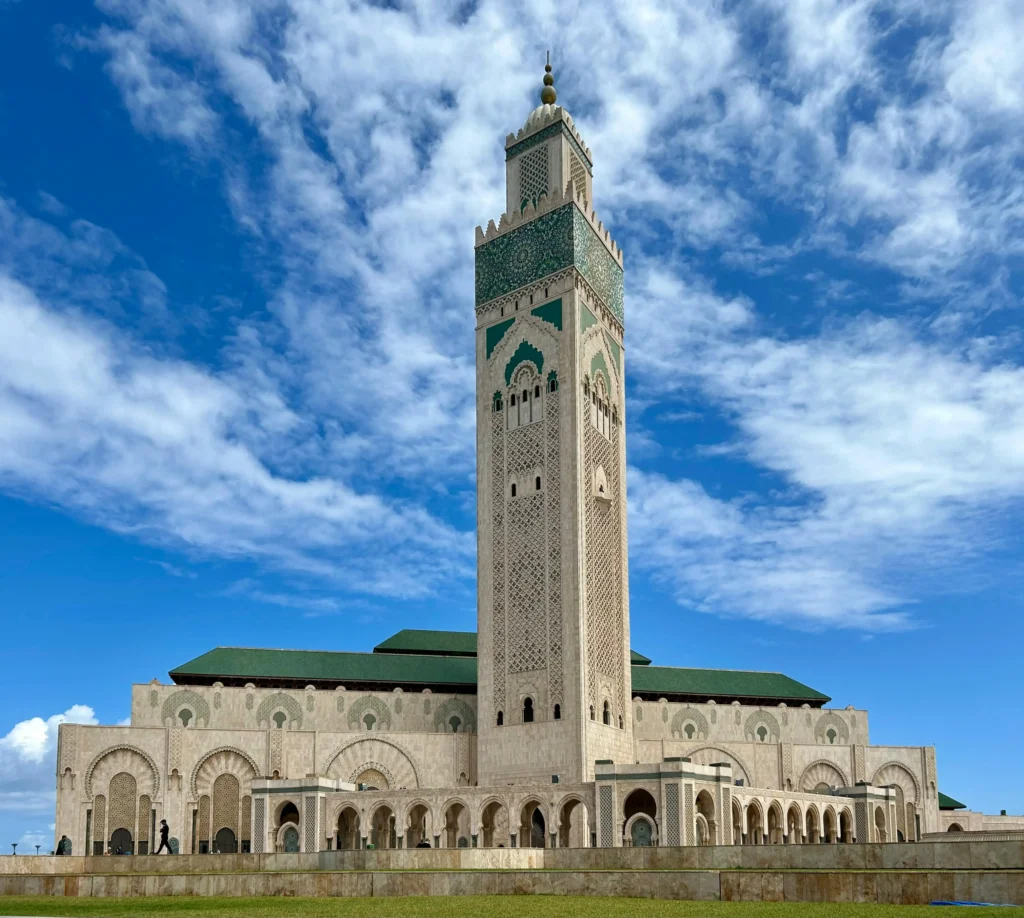
1. Hassan II Mosque
Completed in 1993 on the edge of the Atlantic, it has a minaret of about 210 metres, one of the tallest in the world. It is one of the few mosques in Morocco that non-Muslims can visit, on guided tours outside prayer times. Read our guide to the Hassan II Mosque.
Rabat
2. Kasbah of the Udayas
A 12th-century Almohad fortress above the mouth of the Bou Regreg river, with a monumental gate, white and blue lanes and Andalusian gardens.
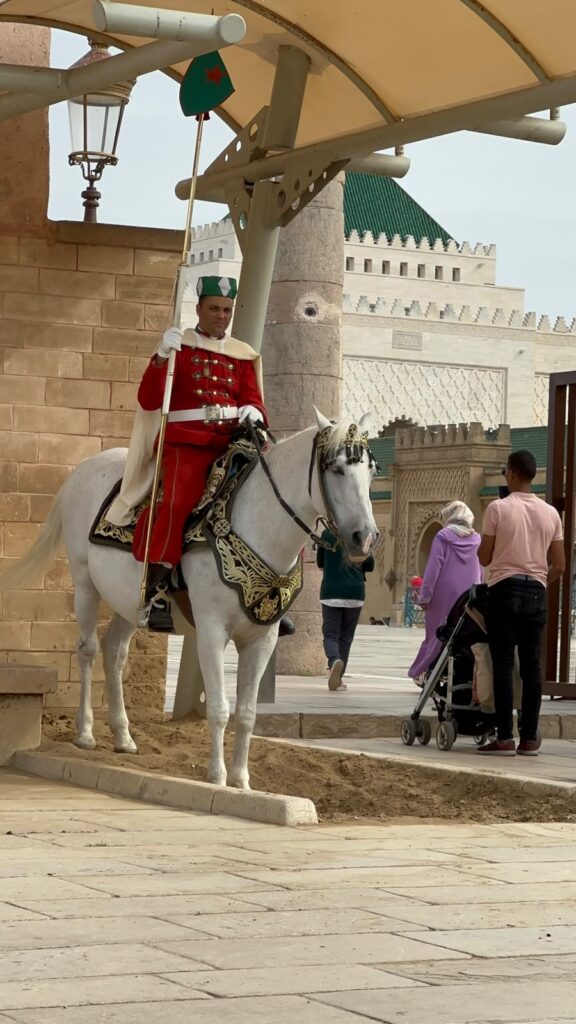
3. Hassan Tower and the Mausoleum of Mohammed V
The Hassan Tower is the unfinished minaret of a huge mosque begun by the Almohad sultan Yaqub al-Mansur in the late 12th century. Opposite stands the Mausoleum of Mohammed V, completed in 1971, where King Mohammed V and King Hassan II are buried.
4. Chellah
Roman ruins and a 14th-century Marinid necropolis surrounded by gardens and storks’ nests. More ideas in things to do in Rabat.
Meknes and Volubilis
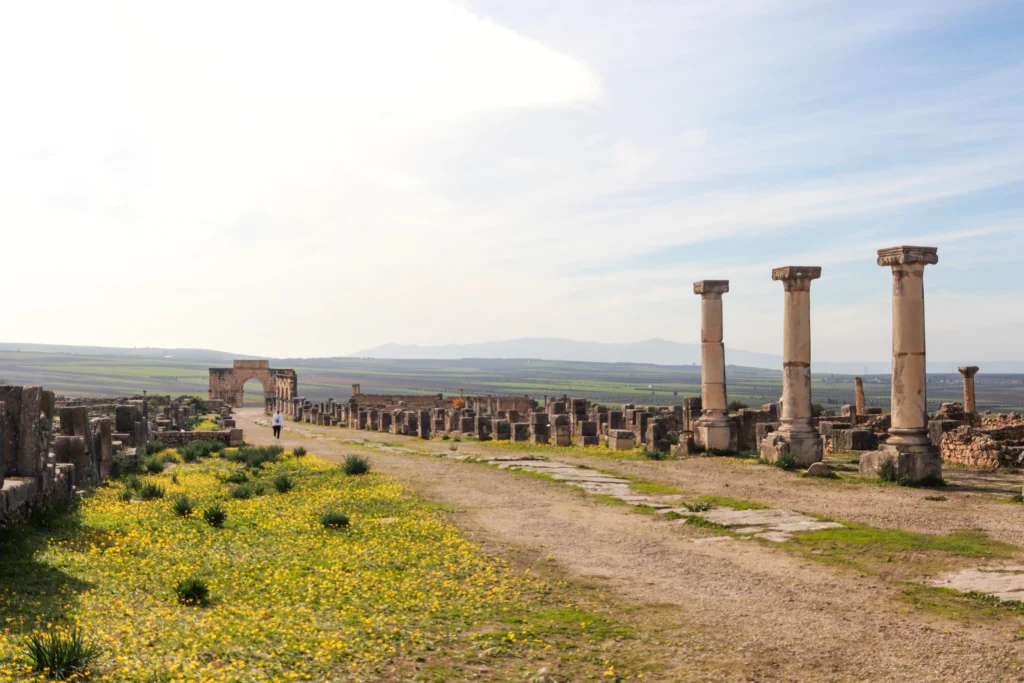
5. Volubilis
The best-preserved Roman city in Morocco, with mosaics, columns and the Triumphal Arch of Caracalla, among olive groves near Meknes. Visit it on our day trip to Meknes and Volubilis from Fes.
6. Bab Mansour
Completed in 1732, this richly decorated gate is the symbol of Meknes, the imperial city of Sultan Moulay Ismail. Read things to do in Meknes.
Fes
7. Fes el-Bali and Al-Qarawiyyin
Founded in the 9th century, the old medina of Fes is one of the largest car-free urban areas in the world. At its heart is Al-Qarawiyyin, founded in 859 by Fatima al-Fihri and often called the oldest university in the world still in operation; non-Muslims can see it from the doorways.
8. Bou Inania Medersa
Built by the Marinid sultan Abu Inan between 1350 and 1357, it is one of the finest examples of carved cedar, stucco and zellige tilework, and it is open to visitors. Our 8-day tour from Fes includes a guided visit of the medina.
Marrakech
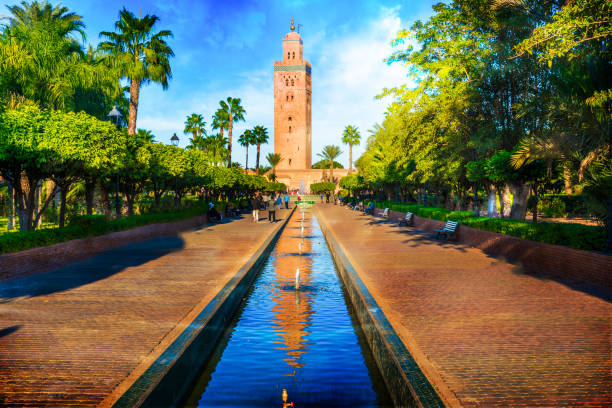
9. Koutoubia Mosque
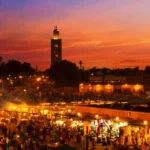
The 12th-century Almohad mosque and its 77-metre minaret are the landmark of Marrakech. Non-Muslims cannot enter, but the gardens around it are open. Read our guide to the Koutoubia Mosque.
10. Bahia Palace
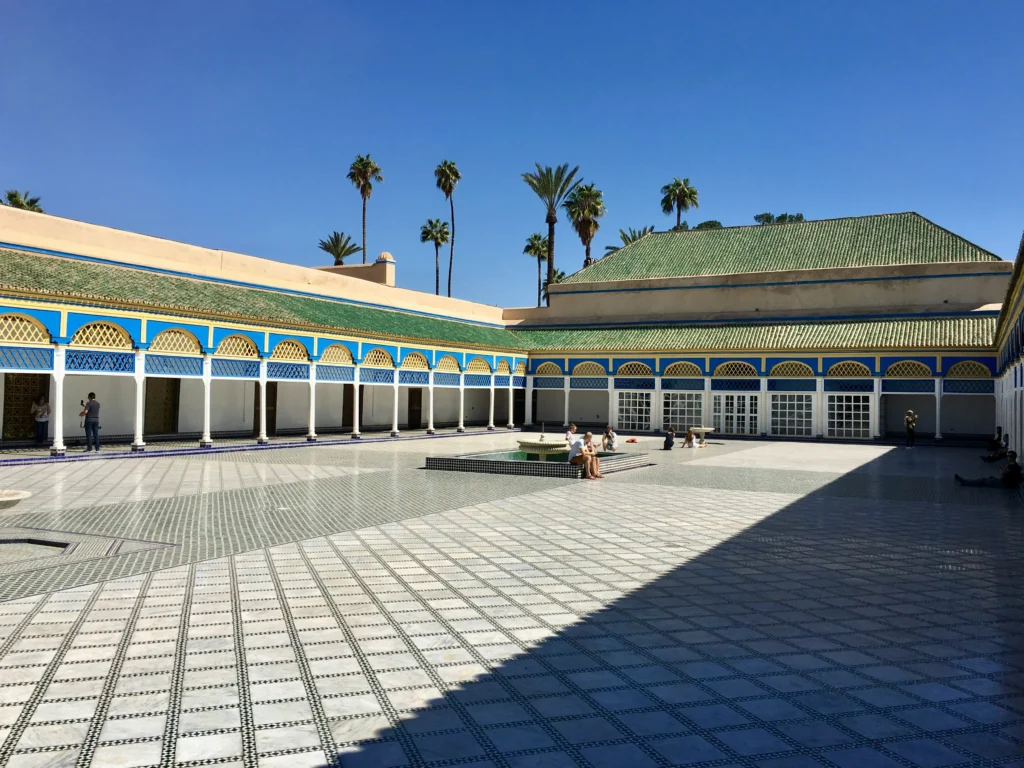
A late 19th-century palace built for grand viziers, with painted cedar ceilings, courtyards and gardens. Read our guide to the Bahia Palace.
11. Saadian Tombs
The royal necropolis of the Saadian dynasty from the late 16th century, hidden for centuries and rediscovered in 1917. Read our guide to the Saadian Tombs.
12. El Badi Palace
Built by Sultan Ahmad al-Mansur from 1578, it was once one of the most lavish palaces of its time; today its vast ruins and storks are a magical sight. Read about the El Badi Palace.
13. Ben Youssef Madrasa
Rebuilt by the Saadians in the 1560s, it was one of the largest Koranic schools in North Africa, famous for its courtyard and carved details. Read our guide to the Ben Youssef Madrasa.
The South and the Coast
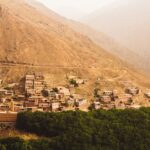
14. Ait Ben Haddou
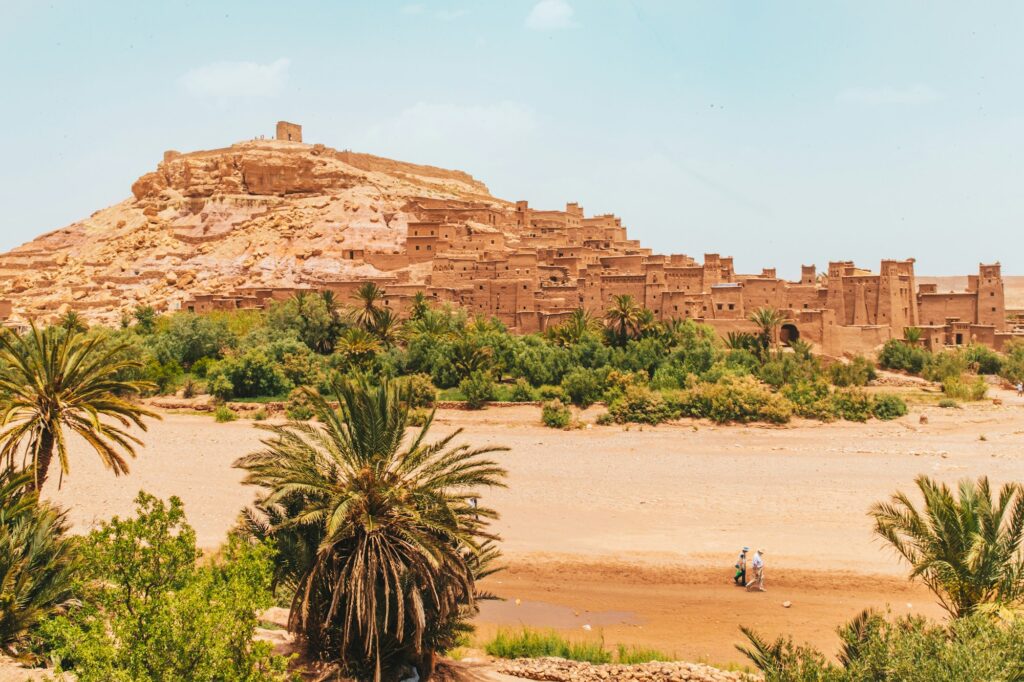
A fortified earthen village on the old caravan route, a UNESCO site since 1987 and the set of films such as Gladiator. It is on the way to the Sahara on our 3-day desert tour from Marrakech. Read things to do in Ait Ben Haddou.
15. Portuguese City of Mazagan (El Jadida)
A 16th-century Portuguese fortress by the sea, famous for its underground cistern. Read things to do in El Jadida.
Tips for Visiting Morocco’s Monuments
- Dress: cover shoulders and knees, especially in religious sites.
- Mosques: most mosques are closed to non-Muslims; the Hassan II Mosque is the main exception.
- Guides: an official guide brings the history to life; our city tours include official local guides.
- Tickets: most monuments have a small entrance fee, paid in cash on site; it is not included in our tours.
- Timing: visit early in the morning to avoid crowds and heat.
Private Tours to See Morocco’s Historical Monuments
| Private tour | Monuments | From |
|---|---|---|
| 7 days from Rabat | Rabat, Meknes, Volubilis, Fes and Marrakech | €1,055 pp |
| 3 days from Rabat | Meknes, Volubilis, Fes and Chefchaouen | €780 pp |
| 13 days from Casablanca | Hassan II Mosque, El Jadida, Essaouira, Marrakech, Fes | €1,995 pp |
| Day trip from Fes | Meknes and Volubilis | €150 for 2 people |
See all our routes on the Morocco itineraries page.
Historical Monuments in Morocco: Frequently Asked Questions
How many UNESCO World Heritage Sites does Morocco have?
What is the most famous monument in Morocco?
Can non-Muslims visit mosques in Morocco?
Which city has the most historical monuments?
Do I need a guide to visit the monuments?
Are entrance fees included in your tours?
Tell us which monuments you want to see and how many days you have, and our local team will plan a private route with official guides.
Get a free quote See our Morocco tours Ask us on WhatsApp
Private tours across Morocco
Your own driver, flexible plans and a 25% deposit to book. Tell us your dates and we reply on WhatsApp.